
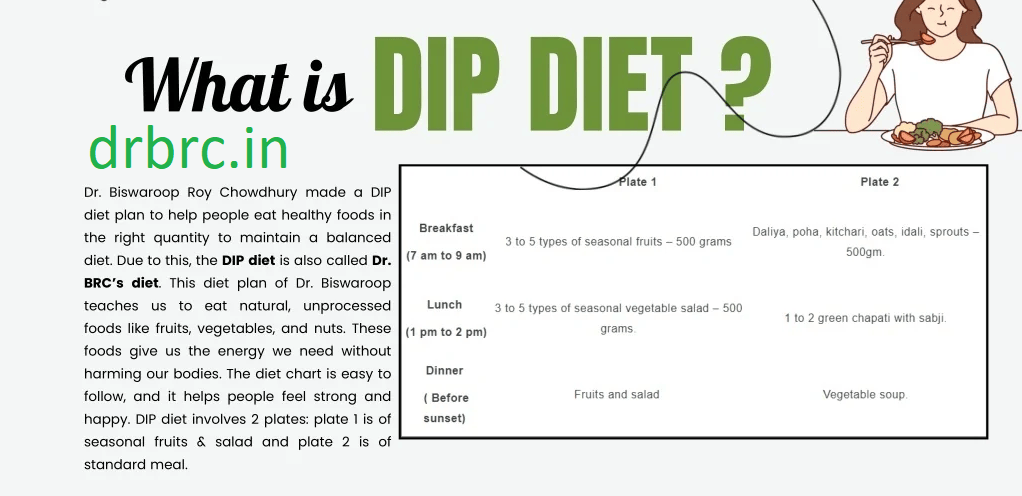
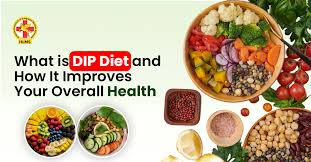
The DIP Diet, or Disciplined & Intelligent People's Diet, is a plant-based eating system promoted by Dr. Biswaroop Roy Chowdhury to reverse lifestyle diseases like diabetes and hypertension through natural, mostly raw foods.
It features seven variations tailored to health conditions, emphasizing detoxification, better digestion, and immunity without dairy, processed foods, or excessive salt.
Standard DIP Diet
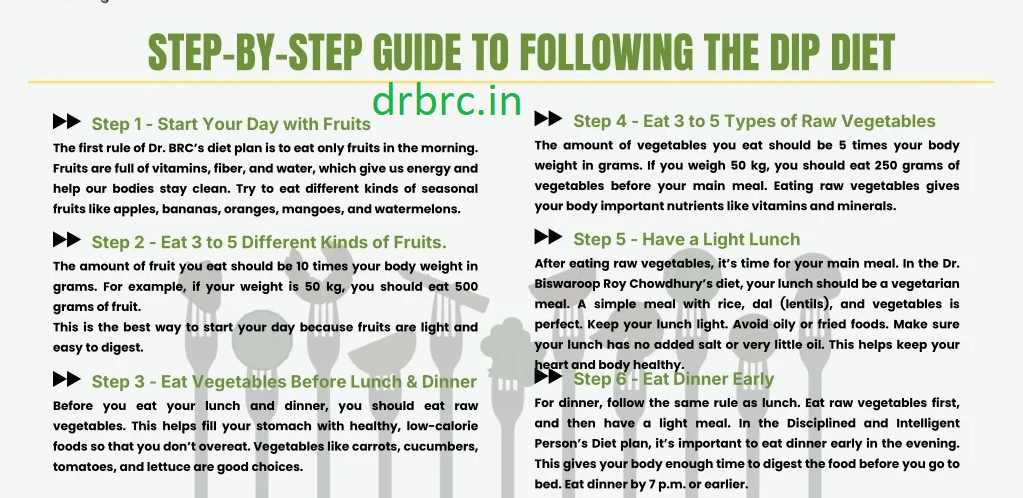
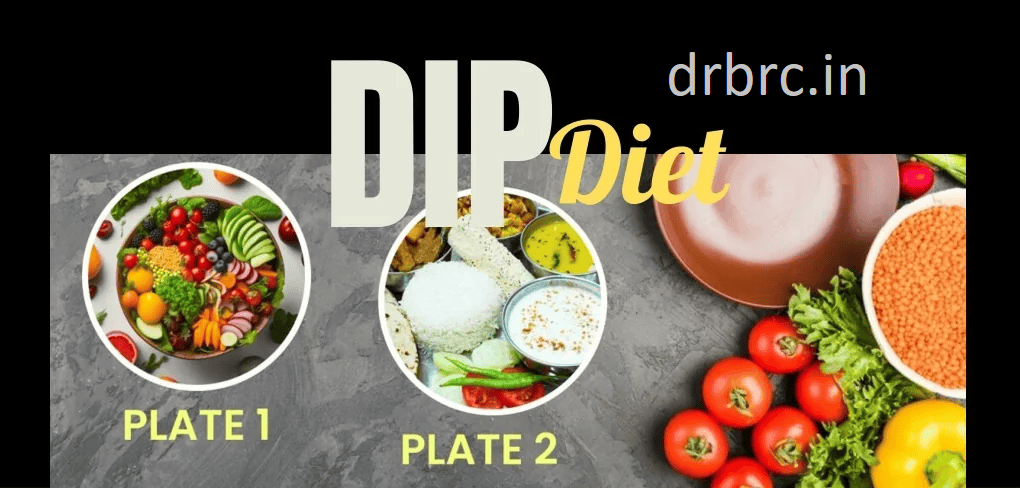
This foundational type follows a "2 Plates Rule" for lunch and dinner: Plate 1 is raw veggies (e.g., carrot, cucumber, tomato) at body weight in kg × 5g (e.g., 350g for 70kg), eaten first; Plate 2 is simple home-cooked vegetarian food with minimal oil/spices.
Breakfast focuses on fruits; avoid milk products, fried items, meat, and grains in excess. Benefits include weight control and stronger digestion.
Raw DIP Diet
Used for infections, skip cooked Plate 2 entirely—stick to raw fruits, veggies, nuts, and seeds only.
It accelerates detox by maximizing enzymes from uncooked foods.
Soft DIP Diet
Ideal for mouth ulcers or oral issues: Blend Plate 1 veggies into smoothies, keep fruit breakfast, and omit Plate 2.
Easier on chewing while retaining nutrition.
Steamed DIP Diet
For gas, GERD, or joint pain: Lightly steam Plate 1 veggies instead of eating raw, pair with standard Plate 2.
Improves digestibility without losing plant benefits.
Nitric Oxide DIP Diet
Suited for type 1 diabetes or lung issues: Before each meal, eat 30g leafy greens (spinach, fenugreek) plus standard DIP.
Boosts nitric oxide for circulation and cell repair.
Zero Grain DIP Diet
Targets autoimmune diseases: Remove grains from standard DIP; use zero-grain flour (millets like buckwheat, barnyard) for rotis.
Reduces gluten-related inflammation.
Circadian DIP Diet
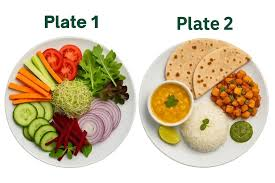
Standard DIP Diet follows a structured "2 Plates Rule" for lunch and dinner, with fruit-based breakfasts, no dairy or processed foods, and raw Plate 1 veggies first (body weight in kg × 5g, e.g., 350g for 70kg person).
This sample 7-day plan adapts those principles using common fruits and simple vegetarian cooked meals for Plate 2. Adjust portions to your weight and consult a doctor.
Daily Structure
- Breakfast: 4-6 fruits (e.g., bananas, apples, papaya) until 85% full.
- Lunch: Plate 1 raw salad first (cucumber, carrot, tomato, greens), then Plate 2.
- Dinner: Same as lunch, before sunset.
- Snacks (if hungry): Fruits or soaked nuts.
7-Day Meal Plan
| Day | Breakfast | Lunch Plate 1 (Raw) | Lunch Plate 2 | Dinner Plate 1 (Raw) | Dinner Plate 2 |
|---|---|---|---|---|---|
| Monday | 3 bananas + 1 apple | Cucumber, carrot, tomato salad | Moong dal khichdi, steamed spinach | Same as lunch | Vegetable millet roti + mixed veg sabzi |
| Tuesday | Papaya + 2 oranges | Beetroot, cabbage, sprouts | Brown rice + palak dal | Same as lunch | Quinoa with bottle gourd curry |
| Wednesday | 4 guavas + pear | Tomato, onion, greens | Jowar roti + chana curry | Same as lunch | Oats upma with peas |
| Thursday | 2 mangoes (seasonal) + pomegranate | Carrot, radish, lettuce | Rajma + steamed broccoli | Same as lunch | Buckwheat roti + okra sabzi |
| Friday | Watermelon + 2 apples | Cucumber, capsicum, sprouts | Masoor dal + cauliflower | Same as lunch | Vegetable pulao (minimal rice) |
| Saturday | 3 bananas + grapes | Tomato, carrot, fenugreek leaves | Besan cheela (no oil) + greens | Same as lunch | Lauki soup + millet khichdi |
| Sunday | Muskmelon + 1 orange | Beetroot, cabbage, cucumber | Mixed dal + carrot sabzi | Same as lunch | Roti + bhindi (okra) stir-fry |
Plate 2 uses minimal oil/spices; prioritize seasonal local produce for best results.
Calculation Steps
In the Standard DIP Diet, raw vegetable portions for Plate 1 (eaten first at lunch and dinner) are calculated simply by multiplying your body weight in kilograms by 5 grams.
For example, a 70 kg person needs 350 grams of raw veggies (like carrot, cucumber, tomato, radish, greens, or sprouts: 3-5 types) per Plate 1.
How to Calculate
- Weigh yourself accurately in kg.
- Multiply by 5: e.g., 60 kg × 5 = 300g raw veggies per meal.
- Eat this entire amount before touching Plate 2 (cooked food); use a kitchen scale initially for precision.
This fills you with fiber and enzymes to aid digestion and control overeating.
DIP Diet followers often report noticeable improvements in weight, blood sugar, digestion, and energy within weeks to months, based on testimonials from Dr. Biswaroop Roy Chowdhury's clinics and online shares.
Results vary by adherence, starting health, and conditions like diabetes or obesity, with no large-scale clinical trials but many anecdotal cases.
Common Reported Results
- Weight LossSustainable fat reduction without calorie counting; one follower lost 236 lbs over 8 years, including 143 lbs post-DIP adoption.
- Diabetes ControlStabilized blood sugar from high-fiber raw foods; many reduce or stop medications under supervision.
- Digestion & EnergyLess bloating, steady vitality within 1 week; better sleep and mood over time.
- Other BenefitsLowered blood pressure, clearer skin, reduced inflammation; supports heart health and immunity.
Example Testimonials
| Person/Case | Before | After | Duration |
|---|---|---|---|
| "Yo" (Facebook) | Obese, lifestyle issues | Lost 236 lbs total | 8 years |
| Clinic patients | High sugar, fatigue, bloating | Stable energy, normalized BP, weight down | Weeks to months |
| YouTube testers | Diabetes, neuropathy | Improved markers (self-reported) | 7-10 days trial |
Individual results aren't guaranteed; consult experts for personalization.
The DIP Diet, developed by Dr. Biswaroop Roy Chowdhury, claims to reverse various lifestyle diseases through its plant-based, raw-food-focused approach, primarily by improving digestion, detoxification, and metabolic health.
Proponents report benefits for conditions like diabetes (type 1 and 2), high blood pressure, heart disease, and obesity, with testimonials showing normalized blood sugar, reduced medications, and weight loss.
Key Claimed Reversals
- Diabetes: Stabilizes blood sugar via high-fiber raw veggies and fruits; some cases show c-peptide recovery in type 1.
- Hypertension: Lowers BP through potassium-rich plants and reduced salt/processed foods.
- Heart Disease & Obesity: Promotes weight management and reduces inflammation.
- Digestive Issues: Eases bloating, GERD; boosts energy and immunity.
Additional Benefits
High inflammation/pain reduction, better sleep, and overall vitality are noted, though results rely on adherence and expert guidance; no large RCTs confirm universal reversal.

What Scientific evidence specifically supports DIP Diet?
Scientific evidence specifically supporting DIP Diet reversals is limited to small case studies and anecdotal reports from Dr. Biswaroop Roy Chowdhury's group, lacking large-scale randomized controlled trials (RCTs).
A 2024 case report documented type 1 diabetes reversal in a pediatric patient: HbA1c dropped from 12.8% to 6.1% and C-peptide rose from 0.94 to 1.98 ng/mL over 8 months on DIP Diet without insulin.
Key Studies
- Type 1 Diabetes: One case showed normalized glucose via plant-based DIP; insulin stopped, vision/energy improved.
- Chronic Kidney Disease: GRAD protocol (DIP + therapies) aided reversal in select patients.
- General Diabetes: Proponents cite fiber slowing glucose absorption, but broader T2D reversal evidence favors low-calorie or low-carb diets, not DIP uniquely.
No peer-reviewed meta-analyses validate DIP for hypertension, obesity, or heart disease reversal; claims rely on testimonials over rigorous data. Consult professionals before relying on it.
No dedicated clinical trials exist specifically testing the DIP Diet (Dr. Biswaroop Roy Chowdhury's plant-based protocol) for hypertension reversal. Available DIP research focuses on diabetes (e.g., one type 1 case report with BP improvements as a side effect) rather than hypertension as the primary outcome.
Related Evidence
General plant-based diets show hypertension benefits in broader trials:
- Vegan interventions reversed systolic BP rapidly (within 18 days) in older adults, matching drug effects without side effects.
- DASH diet (fruit/veggie-rich, low-fat) lowered systolic/diastolic BP by 11.4/5.5 mmHg in hypertensives.
DIP's raw veggie emphasis aligns with these mechanisms (fiber, potassium), but lacks RCT validation for hypertension claims. Consult a doctor for personalized advice.
What are the Long-term outcomes of DIP Diet?
Long-term outcomes of DIP Diet case studies are primarily drawn from small-scale reports associated with Dr. Biswaroop Roy Chowdhury's clinics, showing sustained improvements in symptoms and biomarkers over months to years, often combined with other therapies like humming or yoga.
These are not prospective long-term trials but individual cases with follow-ups ranging from 2.5 months to 8 months (and one testimonial spanning 8 years).
Notable Cases
| Condition | Duration | Outcomes |
|---|---|---|
| Type 1 Diabetes | 8 months | HbA1c 12.8% → 6.1%; C-peptide 0.94 → 1.98 ng/mL; no insulin needed; better vision/energy |
| Tuberculosis (Case 1) | 2.5 months | 95% recovery; side effects resolved |
| TB Relapse (Case 2) | 1.5 months | 80% recovery with weight gain |
| CKD (Stage 5) | ~Months (not specified long-term) | Creatinine improved, avoided dialysis initially |
Sustainability remains uncertain without larger studies; benefits may wane without adherence.
What are the DIP Diet's long-term potential risks?
DIP Diet's long-term adherence (2+ years) carries potential risks due to its restrictive plant-based, no-dairy, low-protein nature, primarily from critiques in reviews and case reports rather than dedicated studies.
Initial side effects like loose stools or detox symptoms often resolve, but prolonged use may lead to nutrient gaps without monitoring.
Key Potential Risks
- Nutrient Deficiencies: Low B12, iron, zinc, omega-3s, and protein from excluding animal foods/dairy; risks anemia, fatigue, muscle loss, or weakened immunity over years.
- Digestive Overload: High raw fiber can worsen SIBO, IBS, or constipation in insulin-resistant individuals long-term.
- Carb Excess: Fruit/salad emphasis may spike blood sugar or hinder insulin sensitivity without balance.
- Weakness/Energy Loss: Reported in some videos for those unmonitored; supplementation may be needed for Vit D or others.
Mitigation Notes
Monitor with blood tests yearly; some testimonials show 8-year success with adjustments, but consult doctors to avoid complications.
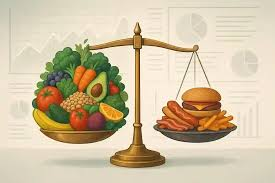
Certain groups should avoid the DIP Diet for extended periods (2+ years) due to its restrictive nature - high raw fiber, no animal products/dairy, and potential nutrient shortfalls - based on critiques and side effect discussions.
Those with serious chronic conditions need direct expert oversight, as unmonitored use risks worsening issues.
Who Should Avoid DIP Diet for Long-Term?
- Gut Disorder Patients: SIBO, IBS, chronic constipation, or Vata dosha imbalance - raw salads aggravate bloating/gas.
- Insulin-Resistant Individuals: Excess fruits/carbs may spike blood sugar without balance.
- Nutrient Deficiency Risks: Low B12/iron/zinc needs (e.g., elderly, pregnant, anemic)—vegan limits heighten anemia/muscle loss.
- Hypotension Cases: Potassium-rich foods may drop BP further (though some adapt).
- Athletes/High Protein Needs: Insufficient protein for muscle maintenance.
Consult a doctor before long-term commitment; modifications or supplements often help suitable candidates.
Nutrient Deficiencies & Prevention
DIP Diet, being strictly plant-based with no dairy, meat, or fortified foods, risks several nutrient deficiencies over time due to its exclusions, as noted in critiques and general vegan diet research.
Common shortfalls include B12, iron, zinc, omega-3s, calcium, vitamin D, and protein, potentially leading to anemia, fatigue, bone loss, or muscle wasting without intervention.
Key Deficiencies and Prevention
| Nutrient | Why Deficient | Prevention Strategies |
|---|---|---|
| Vitamin B12 | No animal sources | Monthly injections or sublingual supplements (DIP allows if prescribed); monitor levels yearly. |
| Iron | Plant iron less absorbable | Pair leafy greens/sprouts with vitamin C fruits; test ferritin regularly. |
| Calcium | No dairy | Boost intake via greens (fenugreek, spinach), sesame seeds, ragi; aim 1000mg/day. |
| Omega-3s | Limited ALA conversion | Eat flax/pumpkin seeds, walnuts daily (soaked); consider algae oil if low EPA/DHA. |
| Protein | Low from grains only | Include lentils, moong dal, nuts in Plate 2; track via apps if active. |
| Vitamin D/Zinc | Sun/soil-dependent | Sun exposure 15-20 min/day; zinc from pumpkin seeds, chickpeas. |
Annual blood tests are essential; DIP proponents suggest natural foods first but permit targeted supplements under guidance to sustain long-term health.
How to calculate DIP Diet for nutrients?
The DIP Diet calculator, developed by Dr. Biswaroop Roy Chowdhury and available via sites like FitN.in, helps personalize portions for raw veggies, fruits, nuts, seeds, and sprouts based on body weight and height to meet nutrient needs without supplements.
It's a simple food index chart, not a full DRI-style nutrient tracker, focusing on DIP's "alpha" (α) formula for balanced intake of carbs, protein, fiber, vitamins, and minerals from plants.
How to Use (Step-by-Step)
- Find the Tool: Visit hiimshospital.com/dip-diet-calculator/ or dipdiet.in resources; input weight (kg) and height (ft/cm).
- Calculate Alpha (α): Cross-reference your stats on the chart—e.g., 70kg/5'6" yields α ≈ 350-400g (total daily food base).
- Assign Portions:
- Fruits (breakfast): α grams until 85% full.
- Raw veggies (Plate 1, lunch/dinner): α grams (weight × 5g rule aligns here).
- Nuts/seeds: 0.25α grams (e.g., 100g for α=400g).
- Sprouts/leaves: 0.1-0.25α grams.
- Verify Nutrients: The output estimates coverage (e.g., protein from sprouts/seeds hits 50-70g/day, calcium from greens); log actual intake via apps like Cronometer for precision.
- Adjust Weekly: Recalculate if weight changes; use for all 7 DIP types.
Example for 70kg Person
| Input | α Value | Fruit | Veggies/Meal | Nuts/Seeds | Nutrients Covered |
|---|---|---|---|---|---|
| 70kg, 5'7" | 350g | 350g | 350g | 90g | Protein (60g+), Vit C/D, Iron, Fiber (full RDA) |
Print or screenshot the chart for daily reference; pair with blood tests for real validation.
How to monitor nutrient levels on DIP Diet?
Monitoring nutrient levels on the DIP Diet is crucial due to its restrictive plant-based focus, relying on regular blood tests and optional tracking tools as recommended in general vegan nutrition practices and DIP guidelines from prior sources.
Dr. Biswaroop emphasizes annual check-ups over daily logging, trusting diverse fruits/veggies/seeds to suffice if portions (e.g., body weight x5g raw veggies) are followed precisely.
Recommended Nutritional Monitoring Steps
- Baseline Blood Tests: Before starting, test key markers: B12, iron/ferritin, hemoglobin, vitamin D, calcium, zinc, protein/albumin, omega-3 index.
- Quarterly/Annual Follow-Ups: Retest every 3-6 months initially, then yearly; adjust if deficient (e.g., low B12 prompts allowed injections).
- Symptom Tracking: Log energy, digestion, hair/skin/nail health, muscle strength; fatigue or anemia signs warrant immediate tests.
- Apps for Precision: Use Cronometer or similar to log daily intake of seeds/sprouts/nuts, verifying 100% RDA without supplements.
Key Tests Table
| Nutrient/Marker | Test Frequency | Target Range |
|---|---|---|
| Vitamin B12 | Every 6 months | >400 pg/mL |
| Iron/Ferritin | Quarterly | Ferritin 30-100 ng/mL |
| Vitamin D | Annual | 30-50 ng/mL |
| Protein (Total) | Annual | 6-8 g/dL |
| Zinc | Annual | 70-120 mcg/dL |
Consult DIP experts or doctors for labs near Lucknow; self-monitoring prevents risks while sustaining benefits.
What are the Signs of B12 deficiency on DIP Diet?
Vitamin B12 deficiency is a key concern on the DIP Diet due to its strict exclusion of animal products and dairy, the primary natural sources of B12, making plant-based adherents vulnerable over months to years.
Early detection via symptoms prompts blood tests (serum B12 <200 pg/mL confirms), as DIP's high-fiber foods don't provide B12 despite other nutrients from sprouts/seeds.
Common Signs
- Fatigue and Weakness: Persistent tiredness, even after rest, from reduced red blood cell production (megaloblastic anemia).
- Neurological Issues: Pins-and-needles, numbness/tingling in hands/feet (paresthesia), balance problems, or walking difficulty.
- Mouth and Digestive Problems: Glossitis (inflamed, painful red tongue), mouth ulcers, constipation/diarrhea, nausea, or appetite/weight loss.
- Skin and Mood Changes: Pale/yellow skin, headaches, dizziness, depression, irritability, or cognitive fog.
DIP-Specific Monitoring
Watch closely after 6+ months; if symptoms appear, test B12 levels immediately—Dr. Biswaroop allows injections if deficient, despite no routine supplements. Early intervention prevents irreversible nerve damage.
What DIP Diet protein sources are from seeds and sprouts?
DIP Diet emphasizes protein from soaked seeds and home-sprouted legumes as natural, complete sources, fitting its plant-based rules without needing powders or animal products.
These provide bioavailable amino acids, enzymes from sprouting, and pair well with Plate 1 salads or snacks (body weight in kg × 1g daily).
Top Protein Sources
| Source | Protein per 100g (approx.) | DIP Usage Tips |
|---|---|---|
| Moong Sprouts | 24g (dry weight; 3-4g cooked) | Sprout overnight; add to salads or Plate 2 khichdi. |
| Chickpea Sprouts | 19g | Soak/sprout chickpeas; mix in raw Plate 1. |
| Pumpkin Seeds (soaked) | 30g | 20-30g handful daily; chew well for digestion. |
| Hemp Seeds | 32g | Sprinkle on fruits; rich in omega-3s too. |
| Chia Seeds (soaked) | 17g | Pudding with fruits for breakfast boost. |
| Flax Seeds (ground/soaked) | 18g | Add to smoothies; supports omega-3 needs. |
| Almonds (soaked/peeled) | 21g | 10-15 daily as snack; peel for better absorption. |
| Sunflower Seeds | 21g | Soak and eat raw; versatile for energy. |
Sprouting boosts protein quality by 20-30% via lysine increase; rotate 4-5 types weekly for balance.
What DIP Diet supplements are allowed by Dr Biswaroop?
Dr. Biswaroop Roy Chowdhury, creator of the DIP Diet, strongly discourages artificial supplements, multivitamins, and tonics as part of the core protocol, emphasizing natural, unprocessed plant foods for all nutrition.
Supplements are explicitly listed among items to "strictly avoid," with the principle that the diet provides complete needs through fruits, raw veggies, nuts, seeds, sprouts, and minimal cooked grains.
Exceptions Noted
- Medical Necessity Only: Allowed if prescribed by an expert (e.g., B12 injections for confirmed deficiency in vegans, or short-term for pre-existing issues like severe Vit D lack).
- No Routine Use: Proponents claim no need for omega-3s, protein powders, or minerals if diverse nuts/seeds (body weight ×1g) and sunlight are included; critiques suggest monitoring overrides this for long-term safety.
Annual blood tests guide any rare allowances; default is zero supplements for optimal results per Dr. BRC.
The DIP Diet protocol is delivered at select partner centers including Naturopathy Centre Delhi, Lucknow Naturopathy Hospital, and Naturopathy Centre Mumbai.