Naturopathy therapy

Hydrotherapy for Naturopathy Care

Hydrotherapy uses water temperature, pressure, immersion, packs, baths, and local applications to support circulation, relaxation, pain care, digestive function, and recovery routines.

Hydrotherapy setup

When hydrotherapy is considered

joint stiffness

muscle fatigue

stress load

poor sleep

circulation support

recovery planning

Responsible naturopathy planning

Naturopathy care should be planned with symptoms, reports, current medicines, diagnosis history, energy level, age, and follow-up capacity in mind. The right plan is specific to the person, not only to the disease name.

Patients should continue prescribed medicines unless their treating physician advises otherwise. Urgent symptoms, severe pain, breathlessness, chest pain, uncontrolled readings, sudden weakness, acute infection, or emergency signs need appropriate medical care without delay.

Therapy depth

How hydrotherapy supports a naturopathy plan

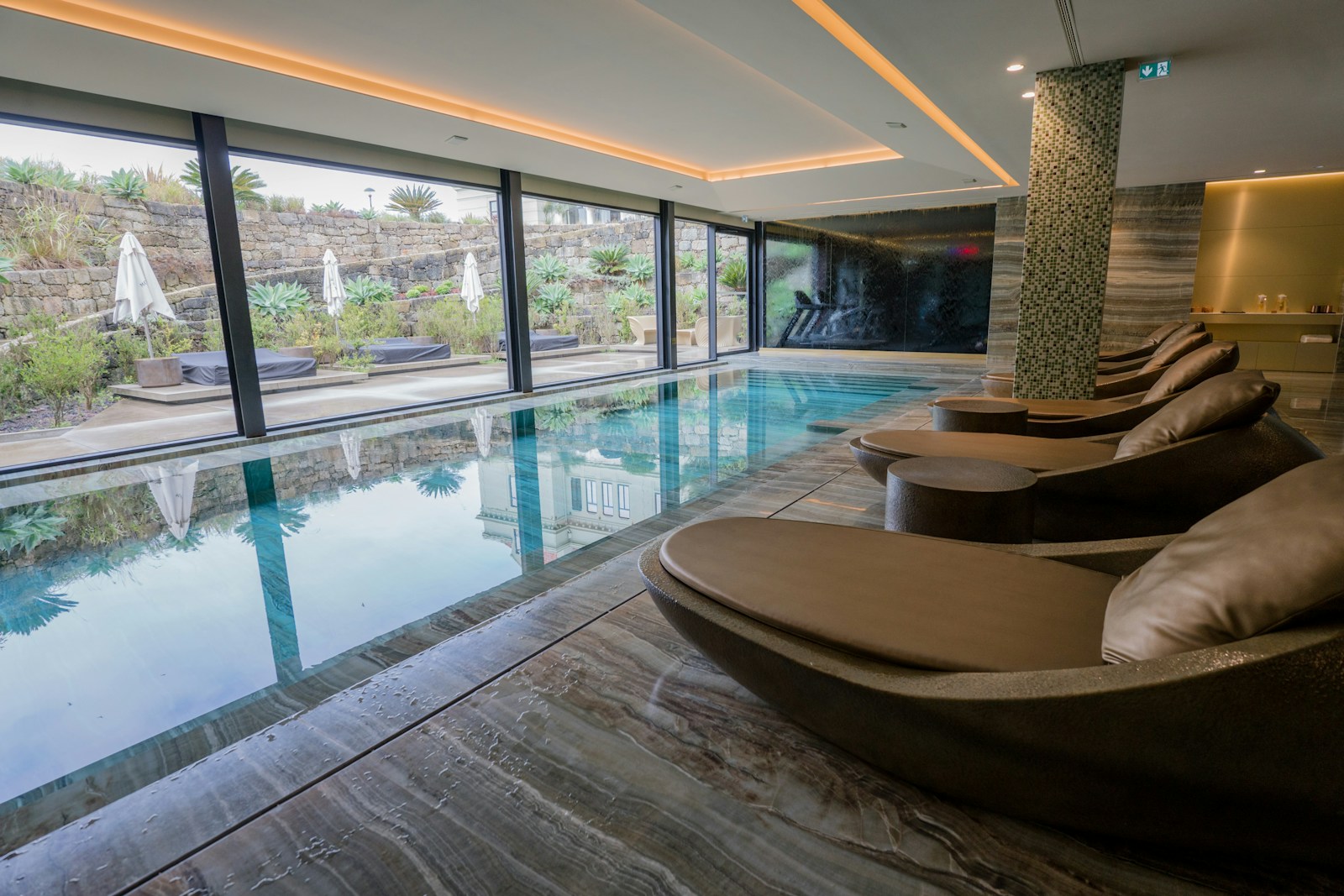
Hydrotherapy is one of the most practical therapies in naturopathy because water can be used gently or intensively depending on the patient condition, age, tolerance, and treatment goal. A consultation-led plan may use warm applications for relaxation, cold applications for stimulation, alternating applications for circulation, or local packs for targeted comfort.

The value of hydrotherapy is not only the procedure itself. It also teaches the patient how the body responds to heat, cold, rest, hydration, sleep, and routine. That is why it is often paired with diet therapy, yoga therapy, mud therapy, breathing practices, and daily lifestyle correction.
Planning

Common uses in city-based care

Patients searching for hydrotherapy usually want support for pain, stiffness, fatigue, stress, digestion, sleep, or recovery after a long period of sedentary routine. City life often increases sitting time, late meals, screen exposure, and stress load. Hydrotherapy can become part of a structured plan to reduce this load in a measured way.

A responsible center does not treat hydrotherapy as a one-size-fits-all spa service. The therapist should consider blood pressure, age, skin sensitivity, fatigue level, cardiac history, pregnancy status, and medication history before choosing intensity.

Practical therapy guide

How to use hydrotherapy responsibly in a naturopathy plan

Assessment before therapy

Hydrotherapy should begin with a basic assessment of symptoms, comfort, age, stamina, medical history, medicines, reports, and the reason for choosing naturopathy care. A therapy may look simple from outside, but intensity, duration, timing, and frequency should still be selected carefully.

How it fits inside a complete plan

Hydrotherapy is usually more useful when it is paired with food correction, sleep improvement, movement, stress reduction, hydration, breathing practices, and follow-up. This is why the city pages connect therapy details with consultation instead of presenting therapy as a standalone menu item.

When extra caution is sensible

Patients with pregnancy, major weakness, fever, uncontrolled blood pressure, cardiac history, serious skin sensitivity, recent surgery, acute infection, or complex medical conditions should share those details clearly. The care team can then decide whether the therapy is suitable, should be modified, or should be delayed.

What to ask before starting

A patient can ask how long the session may take, how many sessions may be needed, what to eat before or after, what signs to track, what to avoid that day, and whether the therapy can be combined with yoga therapy, diet therapy, mud therapy, or hydrotherapy.

How progress is reviewed

Progress should be reviewed through practical signs: sleep, pain, digestion, appetite, energy, stress, bowel routine, mobility, consistency, and relevant reports where available. This keeps the therapy plan grounded in patient response instead of fixed assumptions.

Choose a city path for hydrotherapy

Questions about hydrotherapy

Is hydrotherapy suitable for everyone?

Hydrotherapy is not automatically suitable for every patient. Suitability depends on symptoms, age, strength, medical history, medicines, reports, comfort, and the goal of care.

How do I know whether I need hydrotherapy?

The first step is consultation. The care team should understand your concern, routine, reports, current medicines, sleep, stress, digestion, pain pattern, and follow-up needs before suggesting hydrotherapy.

Can hydrotherapy be combined with other naturopathy therapies?

Hydrotherapy may be combined with diet therapy, yoga therapy, hydrotherapy, mud therapy, relaxation routines, and lifestyle correction when suitable. The combination should be selected after assessment.

Where can I enquire for hydrotherapy?

Choose a city page for Delhi, Mumbai, Bangalore, Ahmedabad, or Lucknow, or call +91 88742 06748 with your city, health concern, and reports if available.

Appointment support

Book a naturopathy consultation

Share your health concern, city, reports if available, and preferred consultation mode. The team will guide you on appointment availability and next steps.

CallWhatsApp